Welcome to ECMO Miditha
For More Information Enquire Now
About ECMO
Call us for the best ECMO service in Mysore
Our ECMO SERVICES
ECMO services available 24/7
Mobile ECMO ambulance services
In hospital ECMO
In hospital ECMO in Mysore's top Hospital
ECMO airambulance service in Mysore
24/7 ECMO trained staff
Meet The Team


Latest Blogs
ECMO Unveiled: Exploring Recent Trends in Life-Saving Technology
Navigating the Horizon of ECMO’s Recent Advancements In the ever-evolving...
Read MoreNavigating Critical Crossroads: The Comprehensive Guide to ECMO in Modern Medicine
Unveiling ECMO’s Pivotal Role in Critical Care In the fast-evolving...
Read MoreUnlocking Life-Saving Potential: Understanding ECMO in Critical Care
In the realm of advanced medical interventions, Extracorporeal Membrane Oxygenation...
Read MoreTestimonials
Ut enim ad minim veniam, quis nostrud exercitation ullamco laboris nisi ut aliquip ex ea commodo consequat. Duis aute irure dolor in reprehenderit in voluptate.
Evelyn Jimenez
Debra Peters
Neque porro quisquam est, qui dolorem ipsum quia dolor sit amet, consectetur, adipisci velit, sed quia non numquam eius modi.
Mark Martinez
Frequently Asked Questions
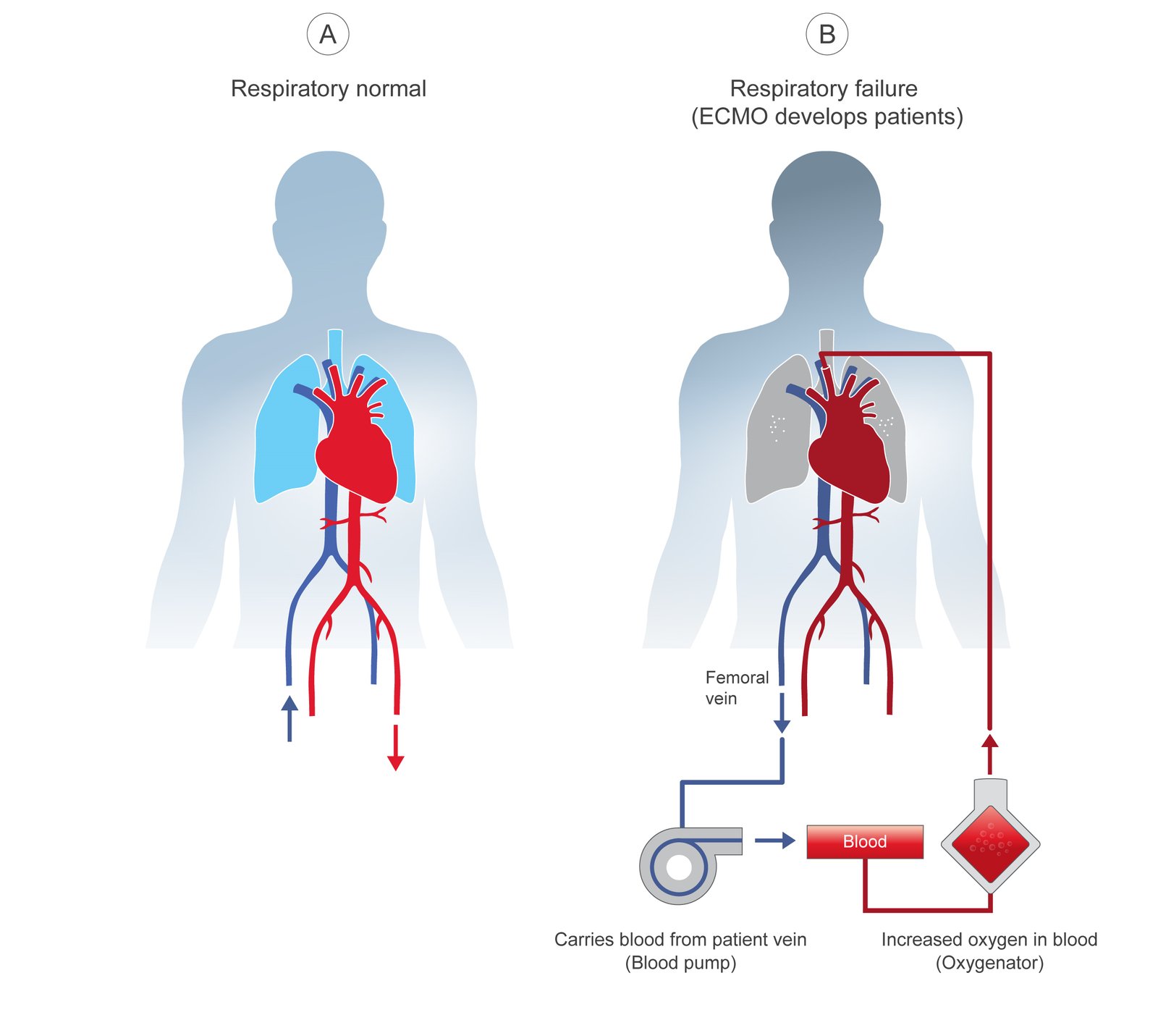
Extracorporeal Membrane Oxygenation (ECMO) is a life-supporting technique that provides both cardiac and respiratory support to patients with severe heart or lung failure. During ECMO, blood is drawn from the patient, pumped through an artificial lung (oxygenator) to remove carbon dioxide and add oxygen, and then returned to the patient’s bloodstream. This process allows the heart and lungs to rest and recover.
ECMO is commonly used in critical care settings for conditions such as acute respiratory distress syndrome (ARDS), severe pneumonia, heart failure, and post-cardiotomy shock. It is also employed during lung or heart transplantation procedures, allowing physicians to manage patients with compromised cardiac or respiratory function.
While ECMO can be life-saving, it is not without risks. Potential complications include bleeding, infection, clotting, and damage to blood cells. Additionally, the insertion of ECMO cannulas may lead to vessel injury. The overall risk depends on the patient’s health status, the underlying condition, and the expertise of the medical team managing the ECMO.

The duration a patient can remain on ECMO varies depending on the underlying condition and the rate of recovery. In some cases, ECMO is used for a few days to allow the heart or lungs to recover, while in others, it may be needed for several weeks. The medical team continually assesses the patient’s progress and adjusts the treatment plan accordingly.
Yes, ECMO has been used as a supportive measure for critically ill COVID-19 patients with severe respiratory failure. However, its use is carefully considered, and decisions are based on individual patient needs. ECMO can provide vital support when conventional mechanical ventilation is insufficient, offering a chance for the patient’s lungs to recover while the body fights the viral infection.